
“The difference between the impossible and the possible lies in a person’s determination.” – Tommy Lasorda, legendary baseball manager.
In today’s fast-paced world, quick and effective communication is key. Crafting personalized emails for every customer or client takes a lot of time. This leaves little room for other important tasks. That’s where Zoho Mail’s email template feature comes in.
Zoho Mail is a top email client in Pakistan, trusted by many organizations. It has a powerful template builder. This lets you create customizable email templates for different business needs. Using these templates saves time, keeps your brand consistent, and ensures a smooth customer experience.
In this guide, we’ll look at the benefits of using email templates in Zoho Mail. We’ll also explore the template builder’s key features. Plus, we’ll show you how to create and customize professional email templates for your business.
Understanding Email Templates in Zoho Mail
In today’s fast world, email templates are key for businesses wanting to boost email productivity and email collaboration. Zoho Mail’s template system lets users create, customize, and manage emails. This changes how they handle email hosting and daily communication.
Benefits of Using Email Templates
Email templates in Zoho Mail bring many benefits. They help make your communication workflows smoother and your emails more efficient. By using pre-made templates, you can:
- Save time by not having to start from scratch for common emails
- Keep your brand’s look and message consistent in all emails
- Automate making professional emails, saving time
- Make customers happier with quicker and more personal emails
Key Features of Zoho Mail Templates
Zoho Mail’s email templates are easy to use and flexible. They offer features for different business needs. Some main features are:
- Customizable templates with layouts and design elements
- Dynamic variables and personalization options
- Conditional content blocks for specific responses
- Easy organization and categorization of templates
- Tools for managing template versions and updates
“Zoho Mail’s email templates have been a game-changer for our customer service team. We’ve seen a significant improvement in response times and customer satisfaction since implementing them.”
– Jane Doe, Customer Support Manager at XYZ Corporation
Getting Started with Zoho Mail’s Template Builder
In the world of email management, Zoho Mail’s template builder is a big deal. It’s a cloud-based email solution that makes creating and customizing email templates easy. This helps businesses improve their communication flow.
To start with the Zoho Mail template builder, go to the “Templates” section in the Zoho Mail dashboard. There, you’ll find tools and options to meet your email template needs.
Exploring the Template Builder Interface
The Zoho Mail template builder has a clean and easy-to-use interface. It lets users easily explore its features and settings. The main dashboard shows a list of templates, making it simple to edit, duplicate, or create new ones.
- Access the template builder by navigating to the “Templates” section in the Zoho Mail dashboard.
- Familiarize yourself with the layout, including the template list, creation options, and customization tools.
- Utilize the user-friendly drag-and-drop functionality to effortlessly design and modify your email templates.
Creating a New Template from Scratch
For those wanting a custom email template, Zoho Mail makes it easy. Click the “New Template” button to start a new template. You’ll get a blank canvas to add your design and content.
| Feature | Description |
|---|---|
| Template Name | Assign a descriptive name to your email template for easy identification and organization. |
| Template Content | Use the rich text editor to create your email template’s content and layout. Include text, images, and formatting. |
| Template Settings | Customize the template’s properties, such as the subject line, sender details, and other metadata. |
Using the Zoho Mail template builder helps businesses improve their email communication. It saves time and ensures a consistent brand identity in all emails.
“The Zoho Mail template builder has revolutionized our email workflow. It’s a game-changer for our business, allowing us to create professional-looking templates in no time.”
Essential Components of Professional Email Templates
Making professional email templates needs careful attention and a smart plan. At the heart of a good template are three key parts: header and footer, content structure, and design.
Header and Footer Elements
The header and footer of an email template are like the covers of a book. They frame the content and share important details. A good header should have your company logo, contact info, and a clear call-to-action. The footer can have legal stuff, social media links, and unsubscribe options. This makes sure your emails are secure and follow the rules.
Content Structure Best Practices
- Break your content into clear sections with catchy headings.
- Use short paragraphs and bullet points for easy reading.
- Add webmail and email security info to meet your audience’s needs.
- Keep a professional but friendly tone in your template.
Design Elements and Formatting
The look of your email template matters a lot. Choose a simple design with lots of white space. Use the same font and size, and colors wisely to draw attention. Also, make sure your template looks good on mobile devices. More and more webmail and email security actions happen on phones.
| Design Element | Best Practice |
|---|---|
| Font | Use a clean, professional font like Arial or Times New Roman |
| Color Scheme | Stick to a consistent, visually appealing color palette |
| Imagery | Use relevant, high-quality images to enhance the template’s visual appeal |

By adding these key parts to your email templates, you can make professional, engaging, and email security-focused messages. These messages will make a strong impression on your readers.
Step-by-Step Template Creation Process
Making professional email templates in Zoho Mail is easy and saves time. It helps keep your emails looking good and consistent. Whether for sales, support, or internal emails, this guide will help you.
- Select a Template Type: Pick the right template type for your needs. Zoho Mail has many templates or you can make your own.
- Customize the Header and Footer: Make your email look good with a header and footer. Add your logo, contact info, and legal stuff.
- Craft the Content Structure: Plan your email’s layout. Use sections like intro, body, and call-to-action. Make sure it’s easy to read.
- Optimize the Design Elements: Make your template look great. Choose fonts, colors, and layout that fit your brand.
- Add Dynamic Variables: Use Zoho Mail’s tools to make your emails personal. Add names and details that matter to each person.
- Preview and Test the Template: Check how your template looks in different emails. Send it to yourself or a friend to make sure it’s right.
- Save and Organize the Template: Save your template for later. Zoho Mail lets you sort them, so you can find the right one fast.
By following these steps, you can make email templates that are professional and engaging. They’ll help you work more efficiently in Zoho Mail.
“Creating effective email templates in Zoho Mail can significantly improve your team’s productivity and deliver a consistent brand experience to your customers and clients.”
Customizing Templates for Different Business Scenarios
Creating effective business emails is key for good communication and teamwork. Zoho Mail’s template builder lets users make templates for different needs. This way, businesses can make their emails more personal and efficient.
Sales Response Templates
Sales teams can speed up their replies with pre-made templates. These include a professional look, a friendly hello, a brief product or service summary, and a clear next step. This helps sales reps send out great emails that keep the brand’s voice strong and build customer trust.
Customer Support Templates
For customer support, templates ensure quick and consistent answers to questions and problems. They have a reassuring tone, clear steps to solve issues, and links to help resources. This lets support teams focus on giving personal help and solving problems fast.
Internal Communication Templates
Good internal communication is vital for teamwork and keeping everyone on the same page. Zoho Mail’s builder helps make templates for team updates, meeting plans, and project reports. These templates have short summaries, tasks, and visuals, making it easy to share info and spark useful talks.
Using Zoho Mail’s templates, businesses can make their business email and email collaboration better. This boosts productivity, keeps things consistent, and makes customers happier.
Advanced Template Management in Zoho Mail
Zoho Mail is a top-notch email management tool. It has advanced features for managing email templates. You can create, customize, organize, share, and control access to templates. This helps teams work better together and be more productive.
Effortless Template Sharing and Collaboration
With Zoho Mail, sharing email templates with your team is easy. This ensures everyone uses the same look and feel for emails. You can decide who sees your templates, based on their role or permissions.
Cross-Account Template Utilization
Use your email templates in any Zoho Mail account. This makes managing emails simpler. You can use your templates in any account, making your workflow smoother.
Centralized Template Library
Zoho Mail has a central library for your email templates. It’s easy to use and helps you find templates fast. You can sort templates by purpose or team, making it simple to find what you need.
| Feature | Benefit |
|---|---|
| Template Sharing | Ensure brand consistency and enable team collaboration |
| Cross-Account Access | Seamlessly leverage templates across multiple email accounts |
| Centralized Template Library | Easily organize and retrieve templates for improved email management |
Zoho Mail’s advanced features help you manage emails better. You can keep your brand consistent, work well with your team, and boost your productivity. It’s all about making your email management and productivity better.
Integrating Dynamic Variables and Personalization
Creating effective email templates is more than just static content. To really connect with your audience, you need to use dynamic variables and personalization. This makes your messages more professional and builds a stronger bond with your readers.
Using Merge Tags
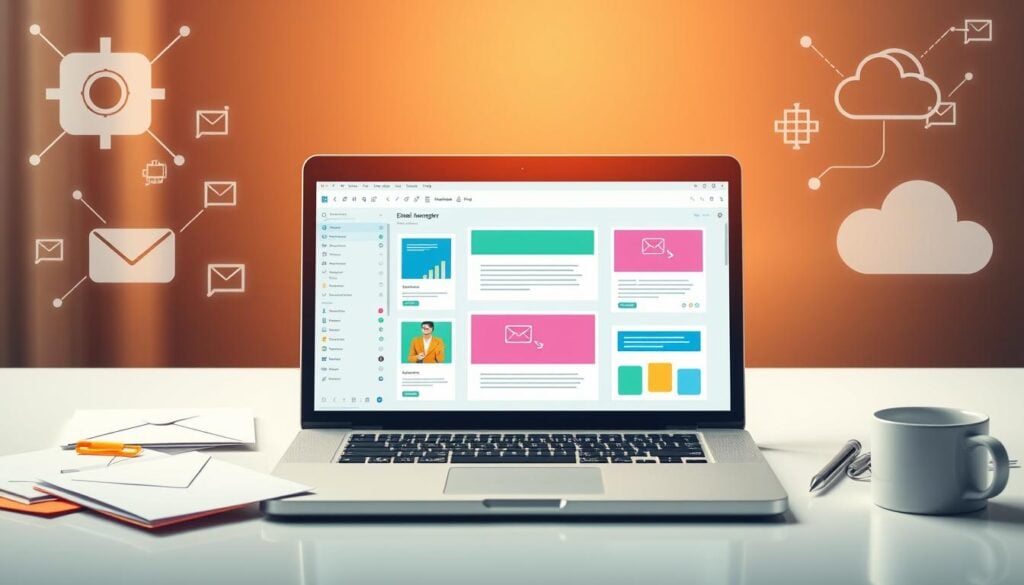
Merge tags are a key feature in cloud-based email services like Zoho Mail. They let you add specific details, like names or companies, into your emails. This makes your messages feel more personal and engaging for each recipient.
Conditional Content Blocks
Zoho Mail also lets you create content blocks that change based on who you’re sending to. For example, you can have different sections for new customers versus old ones. This ensures your messages are always relevant and on point.
Using dynamic variables and personalization can greatly improve your email email hosting efforts. It helps build stronger relationships and boosts engagement. Learning these advanced techniques can be a big advantage in your email marketing and customer communication.
Template Organization and Categories
Effective email management is key in today’s digital world. Zoho Mail’s features help a lot with this. By organizing templates well, your team can quickly find what they need. This makes your emails more efficient and your customer service better.
Organizing Templates into Logical Categories
Zoho Mail lets you sort your email templates into easy-to-use categories. This makes it simple to pick the right template for any situation. You can group templates by:
- Business function (e.g., sales, customer support, HR)
- Template purpose (e.g., appointment scheduling, order confirmation, thank-you messages)
- Audience (e.g., internal, external, vendor)
- Email type (e.g., introductory, follow-up, announcement)
This way, your team can quickly find the right template in your webmail library. This leads to more consistent and professional emails.
Customizing Template Categories
Zoho Mail also lets you make your own categories. This means you can organize templates just how your business needs them. Your team can then find and use the right templates for their jobs.
Spending time on organizing your email templates can really pay off. It lets you use Zoho Mail’s features to the fullest. This makes your email work more efficient and boosts your business’s overall email management.
Best Practices for Template Maintenance
Keeping your email templates up to date is key for consistent communication. It also helps keep your brand looking professional. Here are some tips to keep your templates effective and current:
Regular Updates and Reviews
Check your email templates often to make sure they’re still good. Look for any changes in your products, services, or contact info. Do a big review every quarter to find what needs to be updated.
Version Control Tips
- Use a version control system to track changes in your templates.
- Have a clear naming system for your template versions, like “Sales Response Template v2.0”.
- Keep all approved templates in one place, so everyone uses the latest ones.
- Have a process for approving and updating templates to keep things consistent and safe.
By sticking to these tips, your email templates will stay effective and in line with your brand and communication standards.
Troubleshooting Common Template Issues
Working with Zoho Mail’s email templates can sometimes be tricky. But, with the right steps, you can solve these problems easily. This section will help you fix issues like formatting problems, loading issues, and personalization tag problems.
Many users struggle with formatting issues when viewing emails on different devices or clients. To fix this, make sure your template follows best practices for structure and design. Also, test your templates in different email environments to find and fix any formatting issues.
Some users also face problems loading templates or editing them in Zoho Mail. If this happens, first check if the template is saved right and if you have the right permissions. Also, clear your browser cache and make sure your Zoho Mail account is updated to avoid technical problems.


